Peptide Quality Control & Purity Screening Boc Scientific Researches
Peptide Pureness & Quantitation Testing
Innovative Proteomics is a trusted service provider of proteomics evaluation services. Thanks Research Grade BPC-157 to our exceptional researchers and effective mass spectrometry platform, we off provides worldwide customer with thorough and specialist peptide pureness analysis solution by using RP-HPLC. If you have any kind of inquiries or particular needs, please feel free to contact us.Choosing the best outside lab for peptide screening involves evaluating a number of aspects. A trusted laboratory must have demonstrable experience in peptide chemistry evaluation-- for instance, PhD-level chemists or biochemists on personnel that recognize peptides' synthesis and destruction pathways. Accreditation by pertinent bodies (such as ISO/IEC or certification for GLP/GMP compliance) is a solid indication of top quality.
Certifications Of Evaluation: Exactly How To Read And Analyze Lab Records
The purity of peptides is generally evaluated utilizing high-performance liquid chromatography (HPLC). HPLC separates peptides based upon their interactions with a stationary stage, enabling impurities and spin-offs to be recognized and measured. Furthermore, mass spectrometry (MS) can be used to confirm the peptide's molecular weight and sequence, giving more verification of pureness by finding pollutants and degradation products. If you've ever before gotten an artificial peptide for a laboratory experiment, you have actually likely saw a pureness percent on the certificate of evaluation-- typically values like 95%, 98%, and even 99%. Peptide purity is a vital high quality metric that informs you what portion of a peptide example is the desired item versus unwanted spin-offs.
Recap: What A Research-grade Coa Ought To Include
In conclusion, understanding peptide purity degrees and grades helps you make informed decisions for your experiments. A peptide's purity percentage informs you how much of that sample is the real bargain versus spin-offs, with common study qualities being around 95% approximately 98-99% for additional pureness. Analytical HPLC and MS are your friends here-- HPLC evaluates pureness, and MS verifies identification, together ensuring you understand what's in your tube.
- Our operations is developed to move from example context evaluation to interpretable peptide information with marginal logical obscurity.
- All items are sold for research study, lab, or analytical objectives only, and are except human use.
- This is the quality where the boost most sharply, since accomplishing that last 1-- 3% of purity calls for disposing of a substantial fraction of the manufactured material.
- FDA and the European EMA have actually developed standards mandating detailed evaluation and quality assurance for peptide items to make sure security and effectivenessr.
- Very few business research peptide distributors offer MS/MS information on regular COAs-- it is usually reserved for pharmaceutical-grade products and progressed research settings.
Either can be appropriate, however third-party screening is the gold requirement for research-grade products. Recurring solvents, such as DMF, acetonitrile, or DMSO, are quantified utilizing gas chromatography (GC) approaches. These solvents can affect peptide performance, so accurate metrology is essential to make certain purity and stop contamination in speculative settings. Peptide stability is evaluated under different conditions to ensure dependability during research study and product development.
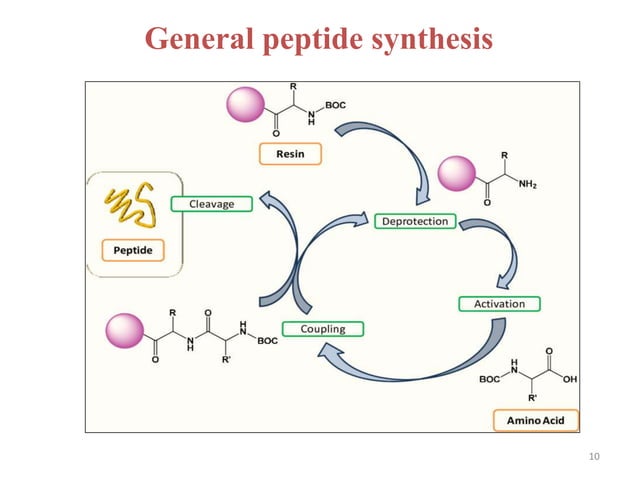
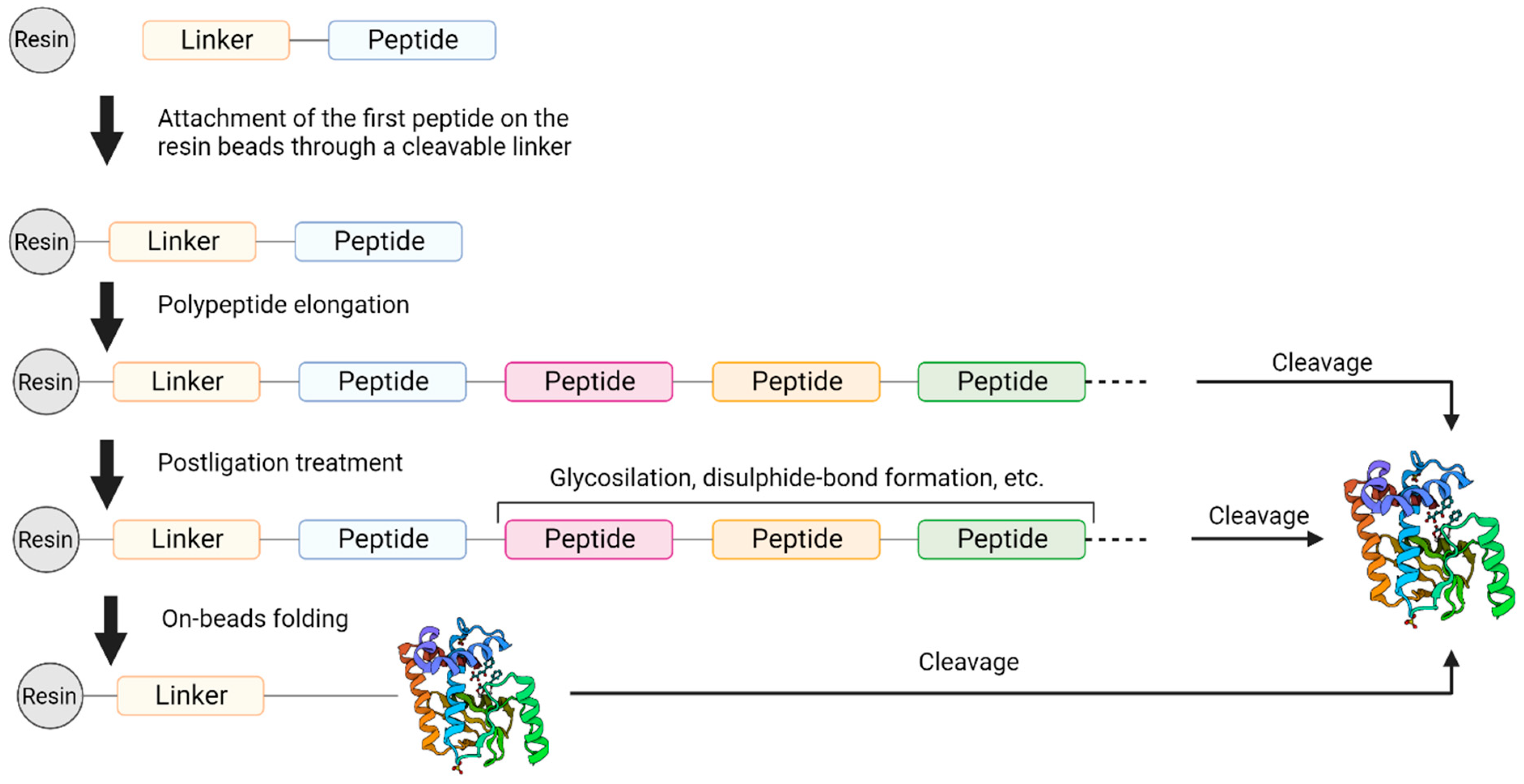
While peptide pureness isn't the only aspect, using poorly defined reagents is an acknowledged contributor to irreproducible outcomes. For a 10-residue peptide with 99.5% combining efficiency, you 'd anticipate about 95% of the final product to be the full-length sequence prior to purification. For a 30-residue peptide at the very same effectiveness, that drops to about 86%. This is why longer peptides are tougher to create at high pureness and generally cost even more. Purity is the percentage of books in the shipment that have every web page published properly, in the best order, with no missing out on phases and no added web pages packed in. A 95% pureness means that out of every 100 "books" in your batch, 95 are perfect duplicates and 5 have some kind of mistake. Maintaining a high degree of pureness is crucial since impurities can affect bioassays or reactions. As an example, abbreviated peptides or chemically modified side-products might bind to targets or generate side effects that puzzle your results. Specially customized peptides or cyclic peptide sequences are hard to validate, which influences quality control. We combine LC-MS/MS and enzymatic digestion evaluation to exactly confirm the sequence and modification sites of non-natural customized peptides. Recurring organic solvents, metal ions, or spin-offs from synthesis might trigger poisonous side effects.