Classic Design Overview Peptides
Just How To Store Peptides After Reconstitution For Maximum Potency
TB-500 (Thymosin Beta-4) has actually a reconstituted service life of 3 to six weeks at 2-8C. It is a 43-amino-acid peptide, bigger than BPC-157, that makes it slightly extra vulnerable to architectural changes in service. The prolonged chain implies much more potential points for degradation. If a vial has been saved for longer than the suggested life span, degradation has almost certainly occurred even if the option looks perfect. If the vial was exposed to area temperature for extensive durations, deterioration accelerated during those direct exposures also if the remedy shows up unchanged.Bulk Order Tirzepatide
Modern frost-free refrigerators might have larger swings than older manual-defrost models. Placing peptides away from areas with optimum change improves security. Temperature uniformity, positioning location, and environmental aspects within your refrigerator dramatically effect peptide preservation.Freeze-thaw Considerations
with the day of preparation. Discard reconstituted peptides that exceed appropriate storage space home windows despite continuing to be volume. Also correctly cooled peptides can degrade gradually or from dealing with mistakes. Identifying destruction indications stops making use of jeopardized item and losing time on inefficient protocols. Regular examination ought to become part of your peptide management routine. Each elimination from the fridge reveals the vial to temperature adjustment and potential contamination. Arrange storage space to enable fast gain access to without relocating multiple vials. Selank and anxiety-focused peptides maintain common chilled security. KPV for digestive tract health applications in a similar way COA Testing needs appropriate cold storage. Semaglutide takes pleasure in enhanced security from its architectural modifications.Copper peptides are small healthy protein fragments naturally found in the human body. They are composed of a copper ion bound to a peptide chain. These peptides work as signaling molecules, communicating with cells to start numerous repair and regenerative processes. Their key features consist of promoting collagen and elastin production, advertising injury healing, lowering inflammation, and serving as antioxidants.Asparagine, specifically when complied with by glycine in the series (Asn-Gly), is a "hot spot" for deamidation. Glutamine at the N-terminus can cyclize to create pyroglutamic acid. Each of these vulnerabilities equates straight into much shorter life span for peptides which contain these deposits. Borosilicate glass vials are the gold requirement for peptide storage. Glass is chemically inert, suggesting it does not react with the peptide remedy. And seriously, peptides do not bind to glass surfaces the method they bind to plastic.
From that factor ahead, every choice you make about temperature, containers, light exposure, and taking care of method either maintains or destroys what you paid for. Each time you open a peptide vial, you subject the components to ambient air, light, and humidity. Advancing exposure from repeated access can accelerate destruction. Take a look at the powder for staining (yellowing or browning), clumping, or stickiness.Temperature level is the single crucial factor in reconstituted peptide storage space. Not your container, not your bacteriostatic water, not your sterilized strategy. Every ten-degree rise in temperature about increases the rate of chemical destruction. It is a reputable principle in chemistry called the Arrhenius formula, and it applies straight to peptides Identity Testing in solution. Lyophilized peptides tolerate area temperature level delivery well. A lot of properly packaged peptides continue to be stable for several weeks at room temperature, making common shipping methods appropriate.
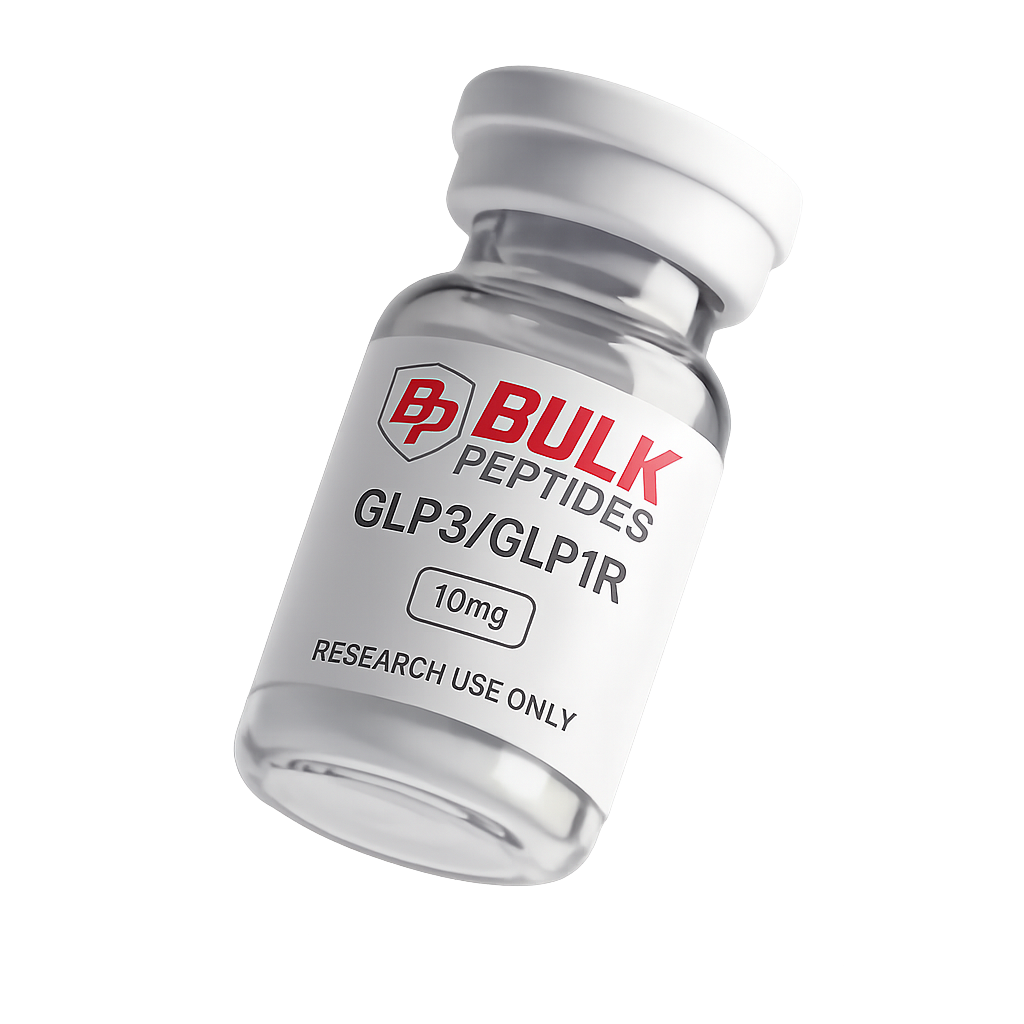
- Light-induced deterioration influences peptides including aromatic amino acids like tryptophan, tyrosine, and phenylalanine, along with peptides with disulfide bonds.
- Correctly saved lyophilized BPC-157 can continue to be feasible for three or even more years.
- A 5mg vial reconstituted with 1ml bacteriostatic water offers 5mg/ml; 2ml provides 2.5 mg/ml.
- Team peptides by present use versus storage space, label clearly, and track specific reconstitution days.
- Every minute a peptide vial invests subjected to that light allows photodegradation to continue, especially for peptides containing fragrant amino acids.
- Some shade adjustment is normal for sure peptides, yet dramatic changes call for care.
Some sources cite a couple of weeks as a reasonable maximum for area temperature level storage space, while others suggest approximately a year for especially secure series. Do not shake it, invert it repetitively, or vortex it. Mechanical shear pressures and air-liquid interfaces developed by shaking can interrupt the peptide's three-dimensional structure, ruining task.

Despite the fact that lyophilized peptides tolerate space temperature for delivery, they begin deteriorating much more swiftly outside regulated conditions. Move them to your fridge freezer or refrigerator as promptly as useful. An effectively lyophilized peptide preserves its porous, cake-like structure. Collapse of this structure or formation of crystalline areas recommends storage space problems were not ideal. TB-500 in a similar way reveals excellent storage stability when effectively lyophilized. The typical life span reaches twelve months or longer at suitable temperatures.